Why Mortise Lock Broken Key Extraction Demands Specialist Tools
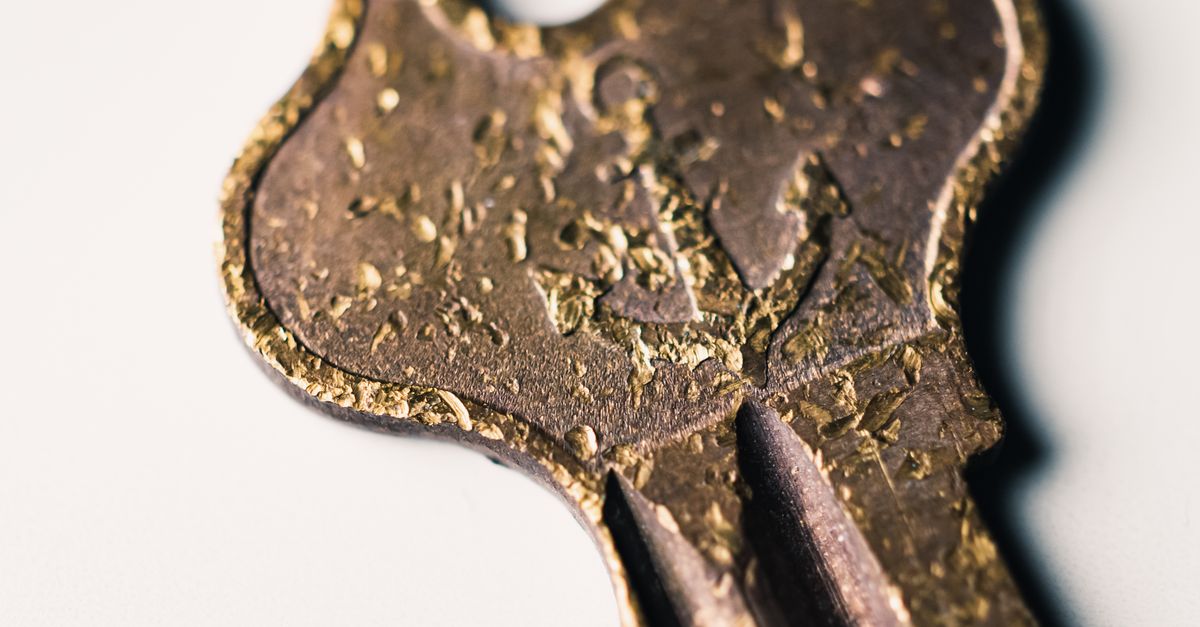
Mortise locks are the workhorses of New York City's built environment. Installed in the thick wooden stiles of pre-war apartment doors, the ornate entry doors of Upper Manhattan townhouses, and the heavy commercial doors lining Broadway storefronts, these locks house a self-contained cartridge — the mortise cylinder — that sits deep inside the door body itself. When a key snaps inside one, the broken shank does not just sit at the mouth of the keyway; it is typically lodged behind the first set of pins, sometimes rotated at an angle if the key broke mid-turn. Standard needle-nose pliers, a hairpin, or a toothpick are not only useless here — they can fracture the key fragment further, force it deeper, or damage the delicate pin stacks that allow the lock to function at all.
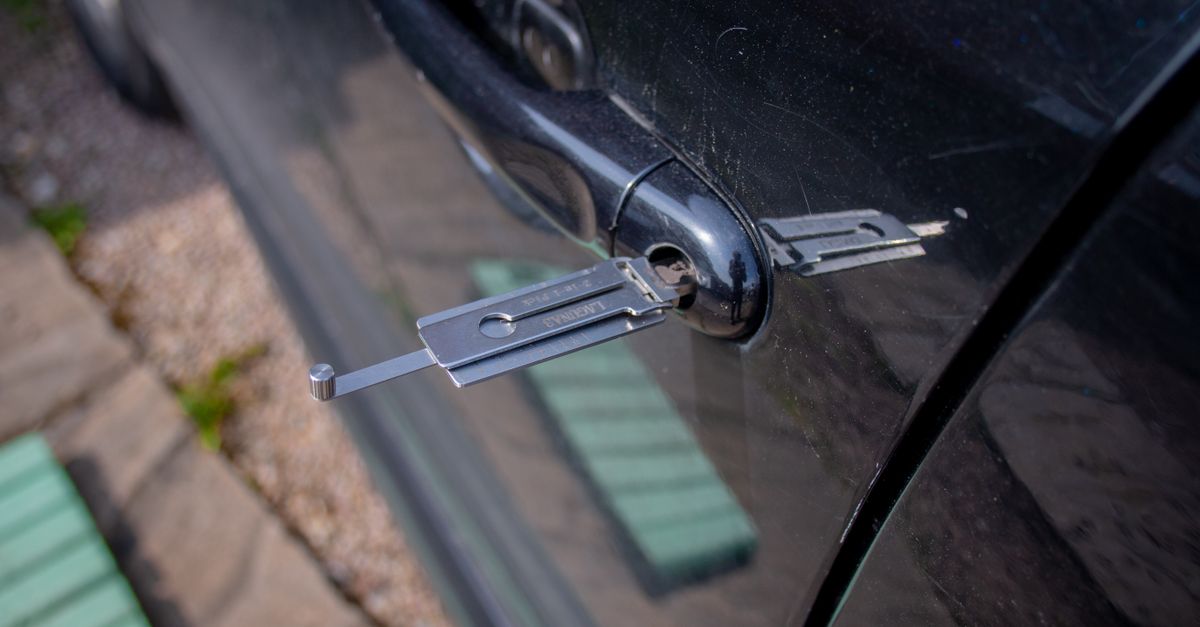
Our technicians use purpose-built broken key extractor tools — hooked and spiral extractor picks sized to specific keyway profiles — along with lubricants formulated for lock internals, illuminated magnification scopes for tight spaces, and in some cases a plug follower to hold pins in place while the fragment is withdrawn. The goal is always damage-free recovery: extract the piece, inspect the cylinder for scoring or debris, and leave you with a fully working lock. If the cylinder has been compromised by a previous amateur extraction attempt, we can re-key or replace it on the spot from the stock we carry in our service vehicles.